
Microsoft Configuration Manager Moves to an Annual Release Cadence
For more on Configuration Manager Click Here
Disclaimer: I create this content entirely on my own time, and the views expressed here are mine alone (not my employer’s). Because I love leveraging new tech, I use AI tools like Gemini, NotebookLM, Claude, Perplexity and others as a “digital team” to help research and polish these articles so I can share the best possible insights with you!
On November 5, 2025, Microsoft has officially announced a significant change to the release model for Microsoft Configuration Manager (ConfigMgr). Beginning in 2026, the product will transition from its long-standing semi-annual release cadence to a single annual major release. This change brings greater predictability for IT teams and aligns ConfigMgr more closely with Microsoft’s broader device management strategy.
What’s Changing?
Historically, Configuration Manager received two major updates per year. Under the new model:
- One major release will be delivered annually, starting with version 2609, targeted for September 2026.
- Each release will continue to receive 18 months of support, unchanged from the current policy.
- Critical security fixes and essential updates will still be delivered as needed, but feature changes will be consolidated into the annual release.
This shift formalizes what Microsoft has been signaling for some time: Configuration Manager is entering a phase focused on stability, security, and long-term reliability, rather than rapid feature expansion.
Interim Releases Before the Annual Model Begins
Before the first annual release, Microsoft will deliver two transitional updates:
- 2509 (December 2025): Focused on quality and stability improvements, including ARM64-related enhancements.
- 2603 (March 2026): Emphasizes security improvements aligned with Microsoft’s Secure Future Initiative.
- 2609 (September 2026): The first official annual release.
- 2709 (September 2027): The next planned annual release.
These interim releases help bridge the gap and prepare customers for the new cadence.
Why Microsoft Is Making This Change
The device management landscape has evolved significantly. Microsoft continues to invest heavily in cloud-native management through Microsoft Intune, which is now the primary platform for new innovation. Configuration Manager remains fully supported, particularly for on-premises and hybrid environments, but its role is shifting toward:
- Long-term operational stability
- Predictable servicing and upgrade planning
- Strong security alignment with Windows client releases
This change also reduces upgrade fatigue for organizations that rely on ConfigMgr at scale.
What This Means for IT Teams
For organizations using Configuration Manager:
- Upgrade planning becomes simpler and more predictable.
- Fewer disruptive changes occur year over year.
- There is more time to test and validate updates before deployment.
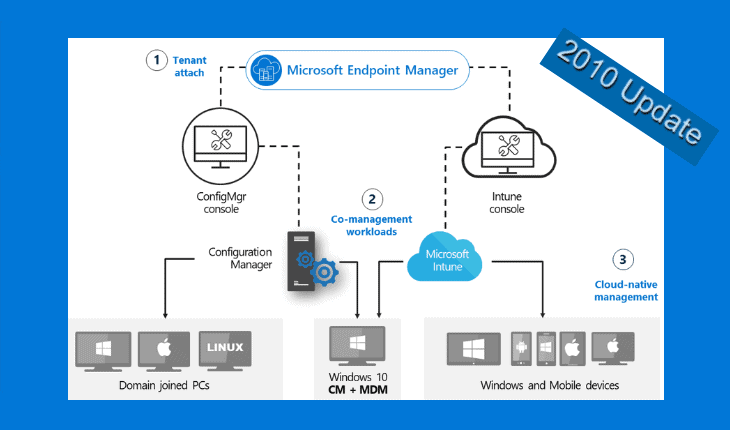
Microsoft also encourages customers to evaluate co-management and Intune adoption where appropriate, especially for organizations modernizing their endpoint management strategy.
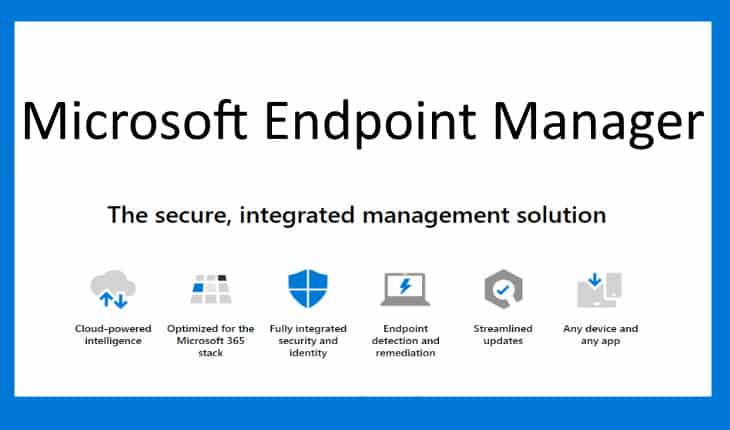
Microsoft Configuration Manager and MECM are the same product. See History Post here: Configuration Manager: A History of Names
Learn More
This post is a summary and interpretation of Microsoft’s official announcement. For full details, timelines, and Microsoft’s complete explanation, read the original blog post here:
Want More Updates? =>Subscribe to my JorgeTechBits newsletter
Have questions, ideas to share, or just want to connect? I’d love to hear from you! Check out my About Page to learn more about me or connect with me.