The Viral AI Singer Who IS NOT Real
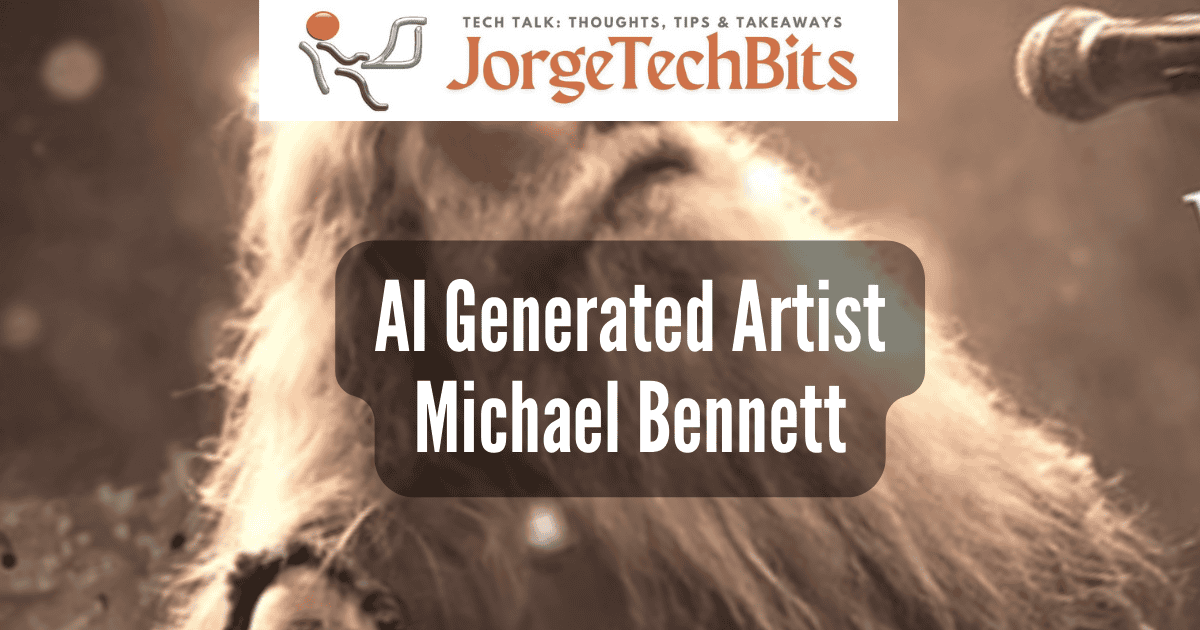
In late 2025, millions of people fell in love with a soulful, bearded country-gospel singer named Michael Bennett. His emotional performances — framed as America’s Got Talent auditions — dominated TikTok, Facebook, and YouTube feeds. Viewers cried, shared, and commented that his songs about faith, loss, and fatherhood “felt too real to be fake.”
4/17/2026 – Update: See follow-up post: Is it Real? The Positive Side of Hyper-Real AI
But there was one small twist: Michael Bennett doesn’t exist. He’s an AI-generated performer — voice, face, beard, and all.
And now, as AI-made creators go viral with millions and millions of views across the internet, the one question keeps coming up:
If an AI singer becomes a sensation… who actually gets paid?
The Illusion of Authenticity
The creators behind Michael Bennett engineered him to feel human. Each video featured:
- An earnest stage setup that mimicked America’s Got Talent
- Emotional lyrics and gospel melodies
- Cutaways to judges reacting with tears and applause
But sharp-eyed viewers started noticing glitches: lip-sync issues, slight face distortions, even a beard that changed styles between clips. Eventually, it came out that none of the performances were real — they weren’t affiliated with AGT at all.
What people had watched and shared were AI-generated recreations, built entirely for engagement.
When AI Meets Monetization
That’s where things get messy.
YouTube, for instance, has tightened rules around fully automated content and what it considers “inauthentic” or mass-produced, especially under its revised monetization guidelines in 2025. If everything — vocals, visuals, and music — is AI-generated with little to no human creative input, the channel may struggle to qualify for ad revenue under these policies. To monetize, creators usually need to show real human involvement: commentary, editing, or significant creative transformation.
So even if an AI video racks up millions of views, it might not make a dime in ad money. In this new economy, viral doesn’t always mean profitable.
How Streaming Platforms Handle It
Streaming is a different game. Platforms like Spotify or Apple Music pay royalties to the account holder who uploads a song through a distributor like DistroKid, TuneCore, or another preferred provider. If the AI artist’s music is up on streaming services, it’s the person or company managing the uploads that gets paid, not the fictional persona.
There are usually several layers: the uploader or label collects performance royalties, songwriters and publishers (if humans are credited) receive their publishing shares, and the platform retains its portion. The AI singer, legally speaking, doesn’t exist as a rights holder — it’s just a front-end for human or corporate ownership.
So Who Actually Owns an AI Artist?
An AI persona like Michael Bennett is more like a brand or piece of intellectual property than a person. Synthetic artists and virtual influencers are often treated as protectable IP, with their look, name, and personality functioning as brand assets or even trademarks in some cases. Ownership can sit with:
- The individual who designed or orchestrated the AI persona
- A creative studio or production team that builds and operates the pipeline
- A label or media company funding and marketing the project
- Songwriters and producers who contribute to the music itself
Legal guidance today generally requires a human element for copyright protection, which means companies must clearly define who owns what in contracts with developers, talent, and partners. In practice, the humans behind the illusion get paid — not the illusion itself.
Why This Moment Matters
AI influencers, virtual YouTubers, and synthetic pop stars are everywhere now. Some are charming novelties. Others feel eerily human. As these creations get more believable, it’s harder to tell where performance ends and automation begins.
This shift raises deeper questions: Can you build real trust with something that isn’t real? Who deserves credit for art made through AI tools? And at what point does “real” even matter to audiences?
The Bigger Picture
“Michael Bennett” represents a huge trend: content built for emotional impact rather than authenticity. We’re seeing:
- AI deepfake-style performances
- Algorithmically optimized storytelling
- Fictional creators who evoke genuine emotional responses
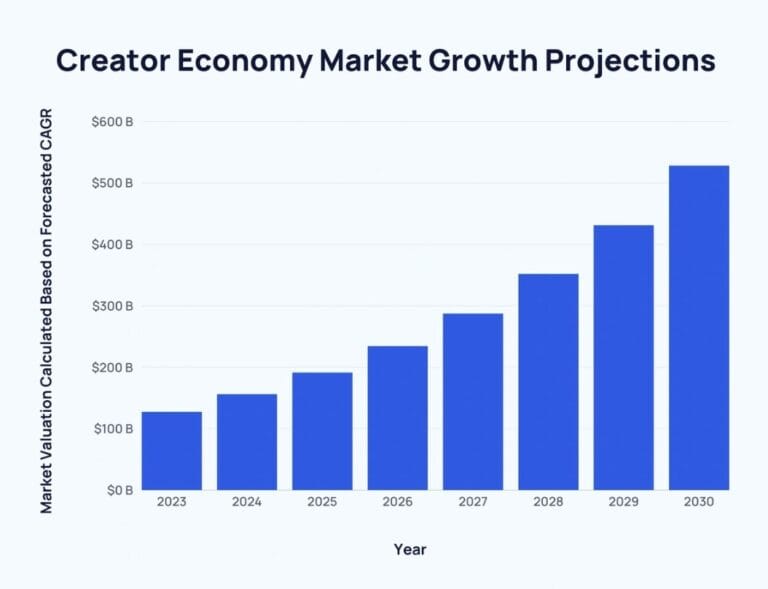
Soon, the internet might be filled with thousands of virtual artists — each polished, each viral-ready, and none of them human. Some platforms are already experimenting with AI music ecosystems and licensing frameworks to manage royalties and permissions at scale.
The real question is whether people will actually care that it’s artificial… or whether they’ll simply keep watching and listening, as long as it feels real.
Final Thought
If an AI singer makes you cry… Was the emotion any less real? And does it matter who got paid — if the song still moved you?
the performances and work is impressive.