I can Sing (Not!) BUT My Digital Twin Can!
A reminder does not believe everything you see!
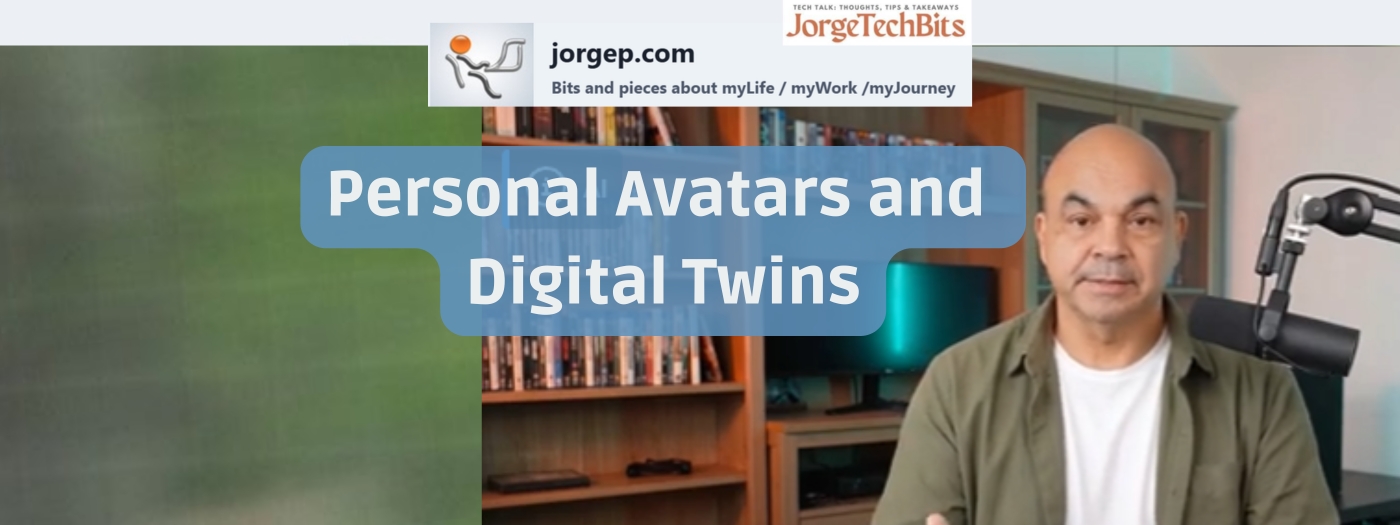
Last night, I did something that felt equal parts futuristic and slightly mind-bending: I created a short video of my Digital Twin singing.
Standing against a breathtaking Southwest sunset, my AI counterpart delivered a performance that looked and sounded remarkably like me. But here is the kicker—nothing in that video was real.
A few months back I wrote about The Viral AI Singer Who IS NOT Real and a follow-up post: Is it Real? The Positive Side of Hyper-Real AI
Not the scenery, not the vocals, and certainly not the live performance.
See my blog post: AI Avatars & Digital Twins: Value, Tools and Options
Here’s a quick peek behind the curtain of how it happened, and why this tech is both incredible and a serious reminder to double-check what you see online.
How It Happened: 10 Minutes from Scratch to Song
If you think creating a realistic digital replica takes a Hollywood budget and weeks in a rendering studio, think again.
I have done it in other platforms, but this one I did using google VEIO 3.1 — The whole process was shockingly fast:
- The Training Phase (7 Minutes): I spent just seven minutes feeding the system data to learn my voice, face, and mannerisms.
- The Prompt: I typed a simple command:“Can you generate a video of me singing on a southwest sunset?”
- The Magic (3–4 Minutes): A few minutes later, the rendering was complete.
In under 15 minutes total, a fully animated, singing version of myself existed in a place I’ve never been, performing a song I never sang.
The Amazing Power—and the Warning Behind It
The technology driving digital twins is nothing short of incredible. From personal branding and automated video content to virtual assistants and creative storytelling, the possibilities are endless. It opens up creative avenues that used to be completely out of reach for everyday creators.
However, it comes with a major caveat: Don’t believe everything you see!
We have officially entered an era where “seeing is believing” no longer applies. When compelling, realistic video can be generated from a 7-minute training session and a simple text prompt, critical thinking becomes our most important digital skill. Hyper-realistic deepfakes and AI clones are now fast, cheap, and accessible to anyone.
Want to Learn More?
Digital twin technology is moving at lightspeed, and understanding how it works is the best way to stay ahead of the curve—both as a creator and as a consumer.
The technology is amazing
Other articles at: Digital Humans